Dick Cheney: Political Influence, Power, and Legacy in Modern American Politics
When you think of Dick Cheney, a former U.S. vice president known for his quiet intensity and deep influence over national policy. Also known as the most powerful vice president in modern history, he didn’t just sit in the Oval Office—he helped design the rules of how it was run. Unlike many politicians who seek the spotlight, Cheney worked behind the scenes, shaping decisions on war, surveillance, and energy with a level of control rarely seen in Washington.
His role as vice president under George W. Bush, the 43rd president of the United States whose administration responded to 9/11 with sweeping military and security changes wasn’t ceremonial. Cheney pushed for the Iraq War, expanded executive power, and backed aggressive interrogation methods. He didn’t need to be the face of the administration—he was its engine. His background as a defense secretary under George H.W. Bush and his years as a House representative gave him unmatched access to the levers of power. He understood how bureaucracy works, how to bypass it, and how to make sure his agenda moved forward—even when others resisted.
Cheney’s influence didn’t stop when he left office. His views on national security, especially around surveillance and military action, became reference points for future administrations. Even critics who disagreed with him had to acknowledge his discipline, strategic thinking, and refusal to be swayed by public opinion. He didn’t campaign for popularity. He campaigned for control. That’s why his name still comes up in debates about presidential power, intelligence oversight, and the balance between safety and freedom.
What you’ll find here isn’t a biography. It’s a collection of real moments—articles, opinions, and reports—that tie Dick Cheney’s legacy to the world we live in now. Whether it’s how his policies shaped foreign intervention, how his office redefined the role of the vice president, or how his actions still spark legal and ethical debates, these pieces connect his decisions to today’s headlines. You won’t find fluff. Just clear connections between a powerful figure and the systems he changed.
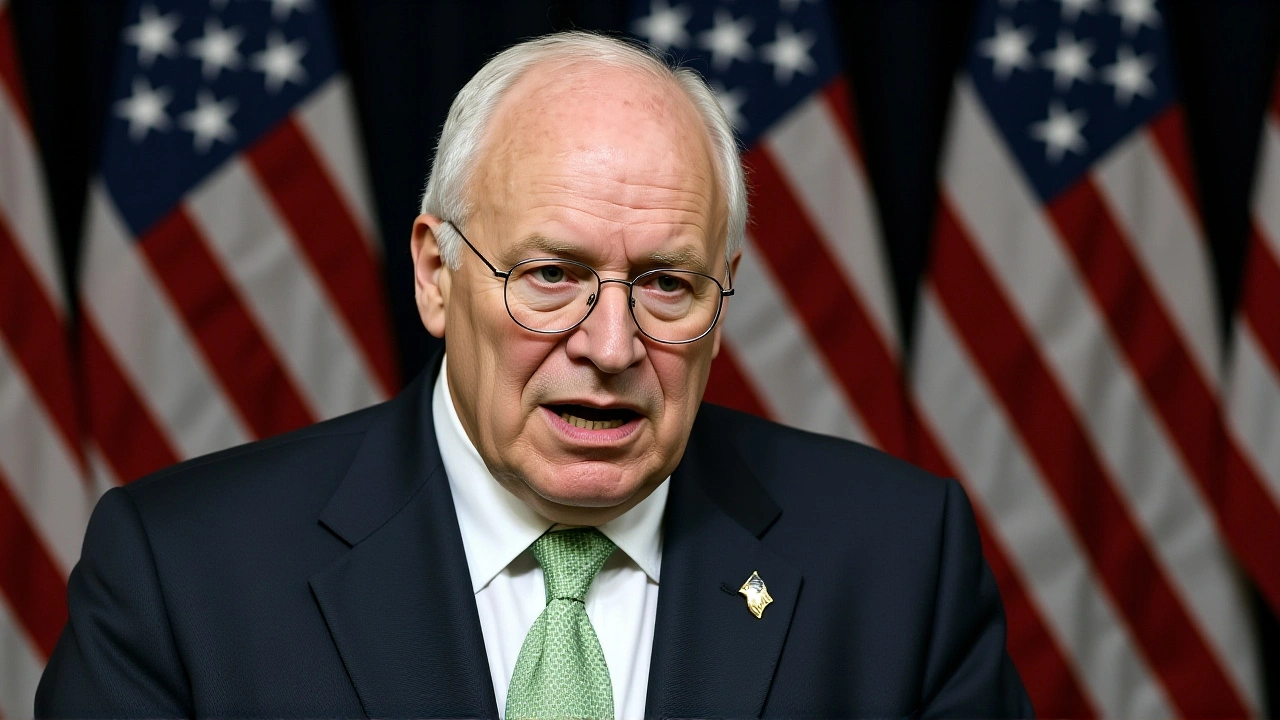
Dick Cheney dies at 84: Architect of Iraq War and War on Terror passes from pneumonia and heart disease
Dick Cheney, the architect of the Iraq War and War on Terror under George W. Bush, died at 84 from pneumonia and heart disease, leaving behind a polarizing legacy that still shapes U.S. policy.