Democratic Erosion: How Power Shifts and Institutional Weakness Are Reshaping Governance
When democratic erosion, the slow, often invisible weakening of democratic institutions and public trust in governance happens, it doesn’t always come with tanks in the streets. More often, it starts with a leader refusing to step down, a court ignored, a whistleblower fired, or a police unit reinstated after exposing corruption. This isn’t theory—it’s happening in real time across Africa and beyond, and the signs are in the headlines you’re already reading.
Look at leadership succession, the process by which political power is transferred after a leader’s death, resignation, or defeat in Kenya. After Raila Odinga’s passing, the ODM party fractured under pressure from youth factions demanding real change. A petition for mass resignation wasn’t just about politics—it was a cry against rigged internal elections and closed-door deals. That’s democratic erosion in action: when the rules meant to protect fairness become tools for the powerful to stay in control.
Then there’s police corruption, the abuse of authority by law enforcement for personal gain or to silence dissent in South Africa. Lt. Col. Kelebogile Thepa spoke out, faced threats, and was pushed out—until public pressure brought him back. His reinstatement wasn’t justice served; it was a rare exception in a system where silence usually wins. That’s the pattern: institutions meant to protect citizens get twisted into shields for the corrupt. When transparency is treated as a threat, democracy starts to rot from the inside.
And it’s not just about who’s in charge—it’s about who’s watching. In Nigeria, border security, the coordinated effort to control national boundaries and prevent illegal activity across them improved only after joint operations between police, military, and intelligence agencies caught Ansaru commanders. That success proves cooperation works. But when the same agencies ignore human rights abuses or let tinted-glass crackdowns target ordinary drivers, it shows security isn’t about safety—it’s about control. When law enforcement becomes a political tool, the line between order and oppression disappears.
What ties all these stories together? A shared decline in institutional accountability, the system of checks and balances that holds leaders and agencies answerable to the public. Whether it’s a local government takeover in Osun State, a failed election process, or a PR unit silenced then revived, the pattern is the same: power concentrates, oversight weakens, and the public is left guessing. No grand revolution. No martial law. Just a steady drip of broken promises, silenced voices, and rules rewritten behind closed doors.
You won’t find this in textbooks. It’s not history. It’s today’s news. The posts below show how democratic erosion isn’t a distant threat—it’s unfolding in your backyard, in your country’s headlines, and in the quiet decisions that decide who gets heard and who gets ignored. These aren’t just stories about politics. They’re about whether your voice still matters.
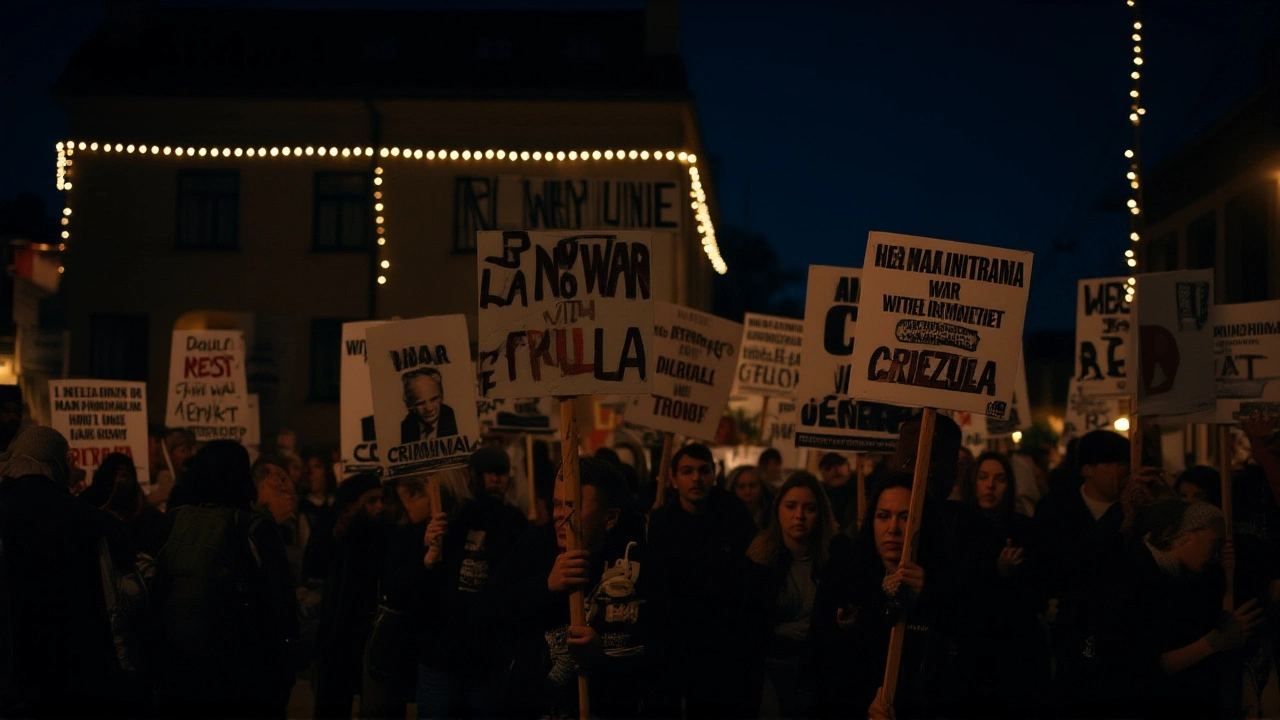
Trump’s democratic erosion creates opening for Europe and Britain
As Donald Trump dismantles democratic norms, Europe and Britain are seizing the moment to reshape global leadership — quietly, strategically, and without U.S. backing.