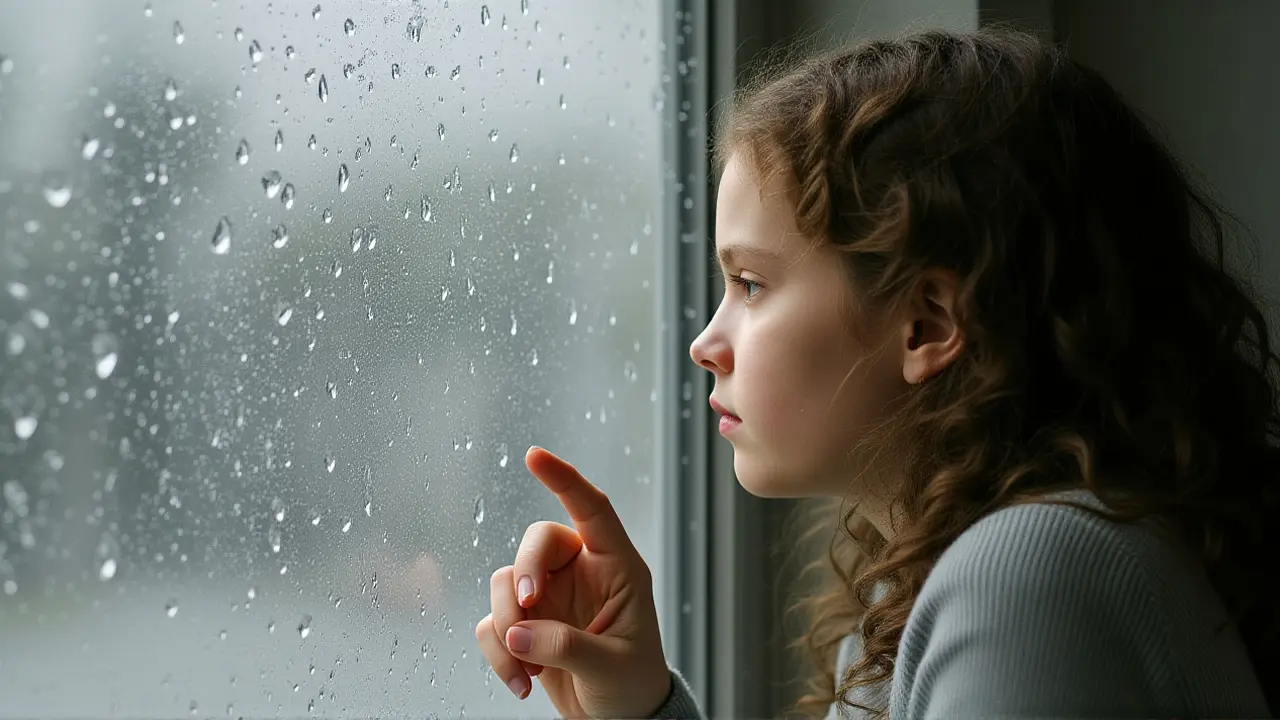
March 2026 brings a pivotal shift for Israel, marking the uncomfortable yet beautiful cusp between winter chill and spring warmth. Forecasters are predicting temperatures that swing dramatically, leaving locals and travelers alike wondering what to pack for their itineraries. The data suggests highs reaching 23°C in some areas while mornings still linger near 7°C in others. It’s a month defined by transition rather than stability.
Here's the thing about weather models: they rarely agree perfectly. While some services predict a dry month, others warn of significant precipitation. This discrepancy creates a unique planning challenge for anyone moving around the region during early spring.
The Temperature Shift
Average temperatures across the nation are expected to settle around a comfortable 19°C according to EaseWeather. However, daily variations tell a different story. Early March starts cooler, averaging 19.3°C, before dipping slightly to 18.9°C by the end of the month. That might sound counterintuitive—usually spring gets hotter—but this specific dip hints at lingering winter systems pushing through later in the season.
Nighttime lows are particularly sharp. Expect temperatures to drop to 11°C or lower in inland areas, creating a need for heavy jackets after sunset. In contrast, daytime peaks can climb to 23°C, suggesting a wardrobe of layers is essential. You won't want to rely solely on summer attire until late April at least.
Rainfall Models Clash
Precipitation forecasts vary wildly depending on which source you trust. Weather25.com predicts a notably drier month with only two rainy days totaling 42 mm. On the other hand, Weather2Travel suggests eight wet days with significantly higher accumulation of 88 mm. Even EaseWeather reports up to 10 rainy days with nearly 49 mm of rain.
This spread indicates high volatility in atmospheric pressure over the Mediterranean Sea. It likely means short bursts of heavy showers rather than consistent drizzle. For outdoor events scheduled in the capital, the risk remains moderate throughout the entire month. Planners should have indoor backup options ready.
Regional Variations
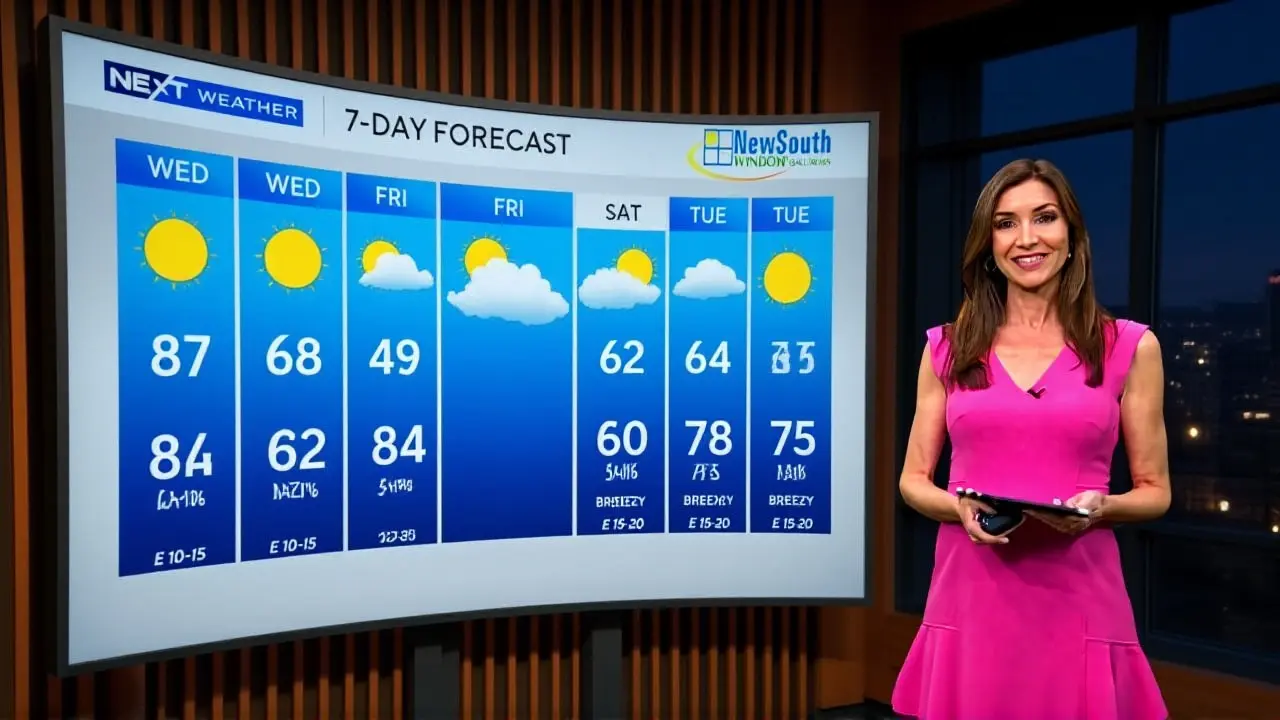
You cannot treat the country as a single climatic zone. Jerusalem, sitting at a higher elevation, tends to see temperatures ranging from 10°C to 17°C with roughly six days of rain accumulating 20 mm. Up north, Haifa and Nazareth expect similar conditions, fluctuating between 10°C and 18°C. The coastal city of Tel Aviv offers a milder experience, hovering between 12°C and 20°C.
In stark contrast, the desert heat awaits in the south. Eilat sees minimal rainfall regardless of the model used. Temperatures here are consistently warmer, climbing to 26°C with lows around 14°C. If you prefer guaranteed sun, heading south is your best bet. However, the northern regions offer greener landscapes if rain does fall.
Daylight and Safety Metrics
Beyond just rain and heat, other environmental factors matter for health and activity levels. Weather-Atlas notes daylight hours extend to approximately 12 or 13 hours per day, a significant jump from the dark winter months. This increase supports the warming trend.
Safety-wise, the UV index hits a rating of 7, classified as "High." Sunscreen becomes necessary even when clouds appear. Humidity sits at a manageable 62%, but wind speeds can gust up to 22 km/h. Crucially, Daylight Saving Time Israel occurs this month. Clocks shift from IST to IDT at 02:00 AM on a specified date, adding an hour of evening light for residents.
Preparing for the Season
As we approach March 2026, the consensus is preparation for unpredictability. Whether you are organizing a hiking trip to the Galilee or attending meetings in Tel Aviv, packing umbrellas alongside sunglasses is wise. The weather service discrepancies highlight the importance of checking local updates week-of.
Frequently Asked Questions
Which city will have the warmest weather in March?
The southern resort city of Eilat remains the warmest location, with high temperatures reaching 26°C and nighttime lows around 15°C. Minimal rainfall makes it ideal for tourists seeking sun compared to the northern regions.
How much rain should travelers expect?
Rainfall estimates vary significantly by source. Some models predict only 42 mm total, while others forecast up to 88 mm across 10 days. It is safest to assume moderate precipitation with potential for wet periods.
When does the clock change occur?
Daylight Saving Time shifts the clock forward at 02:00 AM during March. This transition moves Israel from standard time (IST) to daylight time (IDT), extending evening daylight hours by one hour.
Is sunscreen needed during March?
Yes, the UV index reaches level 7, categorized as High. Despite cooler air temperatures, sun exposure can cause burns quickly. Protection is recommended especially in open desert areas like Eilat.




Ganesh Dhenu
March 27, 2026 AT 10:00Jerusalem elevation makes sense for the temps listed here. High places stay colder even when spring hits. The data aligns with local experiences mostly.
M Ganesan
March 28, 2026 AT 13:21Why do three different sites show completely different totals? Someone is manipulating the data feeds for tourism profit margins. Do not trust these models blindly ever. They hide the real climate shifts behind false numbers. People get burned because of this corporate lies. Wake up and look at the raw pressure charts yourself.
Vraj Shah
March 29, 2026 AT 23:45Dont panic bro its normal for models to difier a bit. Just pack jacket and you are good to go. Worrying too much ruins the trip planning process. Stay chill and check app before leaving home.
ankur Rawat
March 30, 2026 AT 10:53Imagine wandering through Jerusaalem with rain in early march while sun shines late afternoon. A poetic contrast indeed if handled with care. Layers become your best friend during such wild shifts. Bring vibrant scarves for the grey days too. Hope everyone enjoys the fleeting beauty there.
Mona Elhoby
April 1, 2026 AT 00:42Of course the UV index spikes while everyone focuses on rain probability. Typical oversight by these so called experts. Sunburn victims will definitely blame us later for not reading this clearly. You call yourselves travelers yet ignore the radiation warnings. Pathetic behavior honestly.
Kumar Deepak
April 2, 2026 AT 09:11Sunscreen becomes mandatory apparently when the sun decides to shine harder than expected. Who would think a winter month carries high UV risks like that. Maybe bring sunglasses that actually block rays well enough. The clouds are just there to trick you anyway.
Yogananda C G
April 2, 2026 AT 22:34This topic requires serious attention regarding planning schedules. The time change alone creates confusion for international guests. Daylight saving shifts happen at two am exactly. You lose sleep if you do not set clocks correctly beforehand. Work meetings might overlap due to hour loss. Travel delays occur when airports adjust timings. Flight bookings need verification against new standard times. Hotels expect arrival based on daylight time standards. Always confirm booking details with reception staff personally. Miscommunication causes unnecessary stress for weary tourists. Safety metrics indicate wind speeds that affect outdoor tents. Humidity levels remain manageable compared to summer months. Wind gusts can damage temporary structures easily though. Prepare secure anchoring for any event setups outdoors. Health precautions remain vital regardless of temperature readings. Hydration is key even in cooler seasonal transitions. Pack light clothing for morning walks primarily. Evening warmth allows comfortable dining outside mostly. Everyone should monitor updates weekly for changes.
Mukesh Kumar
April 3, 2026 AT 11:02Lets keep things positive despite the scary sounding forecast data. Every season brings unique opportunities for exploration and growth. Warm days are guaranteed if you plan your activities wisely. Enjoy the transition period fully and cherish every sunny moment together.
Divyanshu Kumar
April 3, 2026 AT 19:00Perhape the atmospheric pressure volatility indicates broader clime patterns. We must consider the mediterranean sea influence heavily. Inland areas suffer sharpest drops in night temepratures significantly. Preparation remains paramount for any business engagements. Respect the forecast discrepancies with caution advised. The safety protocols must not be ignored under any circumstances whatsover.
RAJA SONAR
April 3, 2026 AT 21:50absolute disaster waiting to happen nobody is ready for this chaos i tell you freeze your lungs in jaffa streets nothing helps against the cold snap coming next week
Arjun Kumar
April 4, 2026 AT 11:25I doubt Eilat stays warmest every single year as stated here. Climate patterns shift more than those predictions suggest nowadays. Tel Aviv often surprises visitors with unexpected warmth in late march. Trust your own observations over static online reports sometimes.
Shraddhaa Dwivedi
April 5, 2026 AT 07:41Pack layers just in case.
Govind Vishwakarma
April 6, 2026 AT 02:14interesting advice considering most people ignore such tips until it rains hard anyway typical human negligence shown right here without fail